Koi Feeding Chart by Water Temperature
Koi feeding chart by water temperature: no food below 50 F, wheat germ from 50 to 64 F, high-protein 2 to 4 times daily at 65 to 75 F, reduced feeding above 76 F, with protein percentages by season.
Quick answer: Feed koi by water temperature, not the calendar. Below 50 F: do not feed at all. From 50 to 64 F, feed an easily digested wheat germ food sparingly. From 65 to 75 F, the peak season, feed a 35 to 40 percent protein food two to four times daily in five-minute portions. Above 76 F, cut back to morning and evening feeds and watch oxygen. Always judge by a thermometer in the pond, never by air temperature.
This is the classic koi feeding chart every pond keeper ends up taping to the shed wall. Koi are coldwater fish whose metabolism is set entirely by water temperature: they cannot digest food in cold water, they grow fastest in warm water, and they are stressed by feeding at the extremes. The chart below gives the feeding frequency, food type, and protein level for each temperature band, followed by portion rules and the seasonal switches that keep water clean and fish healthy.
New to koi? Start with our koi care guide, and make sure your pond is not overstocked with the koi stocking calculator, because crowding turns every feeding mistake into a water quality problem.
Koi feeding chart by water temperature
| Water temp (F) | Water temp (C) | Feeding frequency | Food type | Protein |
|---|---|---|---|---|
| Below 50 F | Below 10 C | Do not feed | None; koi are dormant | n/a |
| 50 to 55 F | 10 to 13 C | 2 to 3 times per week, only if fish show interest | Wheat germ, easily digested | About 25% |
| 56 to 60 F | 13 to 16 C | Once daily, small portions | Wheat germ | 25 to 30% |
| 61 to 64 F | 16 to 18 C | Once daily | Transition from wheat germ to staple | About 30% |
| 65 to 75 F | 18 to 24 C | 2 to 4 small feedings per day | High-protein growth and color food | 35 to 40% |
| 76 to 84 F | 24 to 29 C | 1 to 2 feedings, early morning and evening | Staple pellet; watch oxygen closely | 30 to 35% |
| 85 F and up | 29 C and up | Feed very sparingly or pause | Oxygen is the priority, not food | Minimal |
Two bands do most of the work. The hard floor is 50 F: below it, feeding is actively harmful because food rots inside a fish whose gut has effectively shut down. The sweet spot is 65 to 75 F, when koi digest quickly, grow fastest, and can handle several small meals a day. Everything else on the chart is a taper between those two points.
Feeding Season Essentials
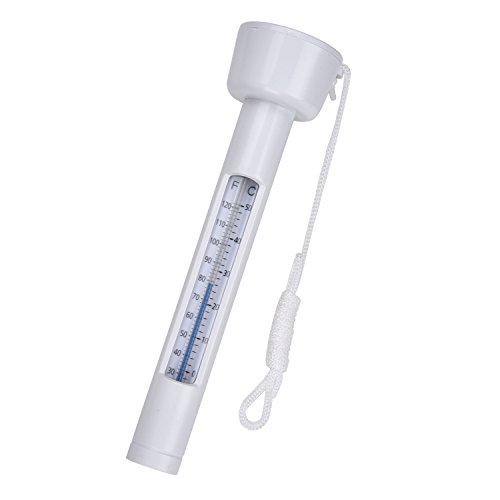
eLander Floating Pond Thermometer
Reads water temperature in F and C so you feed by the number, not by guesswork.

Hikari Wheat Germ Floating Pellets, 17.6 oz
Easily digested cool-water formula for the 50 to 64 F spring and fall windows.

Kaytee Koi's Choice Floating Koi Food, 10 lb
35% protein floating staple for the warm-water feeding season.

AquaMiracle All-in-One Pond Aerator Kit, 1000 gal
Extra oxygen for hot-weather feeding, when warm water holds the least dissolved oxygen.
Protein and food type by season
| Season | Typical water temp | Food | Protein |
|---|---|---|---|
| Early spring | 50 to 60 F | Wheat germ, sparingly | About 25% |
| Late spring | 60 to 68 F | Wheat germ transitioning to staple | 25 to 32% |
| Summer | 65 to 80 F | Growth and color-enhancing formulas | 35 to 40% |
| Fall | 60 F falling to 50 F | Back to wheat germ, tapering off | 25 to 30% |
| Winter | Below 50 F | No food at all | None |
How much to feed: the five minute rule
Frequency comes from the chart; portion size comes from the five minute rule. At each feeding, offer only what the whole pond finishes in about five minutes and remove anything left floating. Koi beg convincingly at any temperature, so appetite tells you nothing about need. Uneaten pellets break down into ammonia within hours, and overfeeding is the single most common cause of green water, algae blooms, and ammonia spikes in backyard ponds. If your parameters drift after feeding increases, check them against the pond water parameters chart.
Warnings that matter
- Use steady water temperature, not one warm day. Feed on the trend, not the spike. In spring, wait until the pond holds above 50 F day and night for several days before the first feeding, and in fall stop while a warm snap is still possible rather than restarting.
- The 50s are the risky window. Between roughly 50 and 60 F a koi's immune system lags behind the parasites and bacteria waking up in the pond, which is why spring disease outbreaks are so common. Keep feedings light and easily digested here, and watch fish closely.
- Hot water means oxygen first. Above about 80 F, dissolved oxygen drops just as fish metabolism peaks. Feed at dawn when oxygen is recovering, run extra aeration sized with the pond aeration calculator, and skip feedings entirely during a heat emergency.
- Never feed below 50 F, full stop. Not a reduced amount, not a treat. Undigested food in a dormant gut is one of the classic ways healthy koi die over winter. Our overwintering koi guide covers the rest of cold-season care.
Why temperature controls everything
Koi are ectotherms: their body temperature and metabolic rate are set by the water around them. At 75 F a meal moves through a koi in a matter of hours; at 55 F the same meal can take days; below 50 F the digestive system essentially stops. Feeding is therefore a thermostat problem. A cheap floating thermometer, checked at the same spot each morning, is the most valuable feeding tool you can own, and it also tells you when growth season has arrived. To see what all that correct warm-season feeding builds toward, compare your fish against the koi growth chart by age.
Feeding fish indoors instead? Our sister site FishTankCalculator.com covers aquarium feeding and stocking the same way.
Frequently Asked Questions
At what temperature should I stop feeding koi?
Stop feeding entirely once water temperature drops below 50 degrees Fahrenheit. Below that point a koi's metabolism slows so much that food sits undigested in the gut, where it can rot and cause serious internal problems. Between 50 and 60 degrees, feed an easily digested wheat germ food sparingly, then stop completely below 50. Resume only when the water holds steadily above 50 in spring.
How often should I feed koi in summer?
In the peak growth window of 65 to 75 degrees Fahrenheit, feed two to four small meals per day, each finished within about five minutes. Multiple small feedings beat one large one because koi lack a true stomach and process food continuously. Above about 76 degrees, cut back to one or two feedings in the cooler morning and evening hours, since warm water holds less oxygen and digestion adds to the load.
What protein level should koi food have?
Match protein to water temperature. In the 65 to 75 degree growth season, a 35 to 40 percent protein food supports fast, healthy development. In the cool shoulder seasons of spring and fall, drop to a 25 to 30 percent wheat germ formula that digests easily at low temperature. Feeding a rich growth food in cold water wastes food and stresses the fish, because they cannot digest it properly.
Why is wheat germ food recommended in cold water?
Wheat germ based foods are highly digestible at low temperatures, when a koi's gut is running slowly. They move through the fish before they can rot, unlike rich high-protein pellets that linger in a cold, sluggish digestive tract. That is why the classic advice is to switch to wheat germ when water falls into the 50s in autumn and to start spring feeding with wheat germ as water climbs back through the 50s.
Can I feed koi on a warm winter day?
No. Feed based on water temperature, not air temperature or fish behavior. A sunny afternoon can nudge surface water up and bring koi to the top looking curious, but the pond will fall right back below 50 degrees at night and any food eaten will sit undigested. Wait until the water holds above 50 degrees around the clock for several consecutive days before offering the first light wheat germ feeding of spring.
How much should I feed koi at each meal?
Feed only what the fish finish in about five minutes, then scoop out anything left over. Uneaten food is the fastest way to spike ammonia and cloud a pond. Koi always act hungry, so appetite is not a portion guide. As a rough check, total daily food in peak season is often estimated at around 1 to 2 percent of body weight, but the five minute rule is the practical test that keeps water clean.
Planning or running a pond?
Use our free calculators and guides to get every number right.
Pond Planner: $39