How to Get Rid of String Algae (Blanketweed)
String algae clings to rocks and waterfalls and UV will not touch it. Learn the real fix: manual removal, barley straw, nutrient control, beneficial bacteria, and a balanced koi pond.
String algae, also called blanketweed, grows in long green strands clinging to rocks, waterfalls, and plants, and unlike green water it will not respond to a UV clarifier because it never flows through the unit. The real fix is a combination: pull it out by hand, starve it by cutting nutrients and adding competing plants, dose beneficial bacteria, and use barley straw as a preventative. No single product clears it, but a consistent, balanced approach keeps it in check.
Your String Algae Toolkit

CrystalClear Algae D-Solv Algae Control
$54.99 on Amazon
Fast-acting, copper-free algaecide effective on string algae and blanketweed; koi-safe when used as directed.
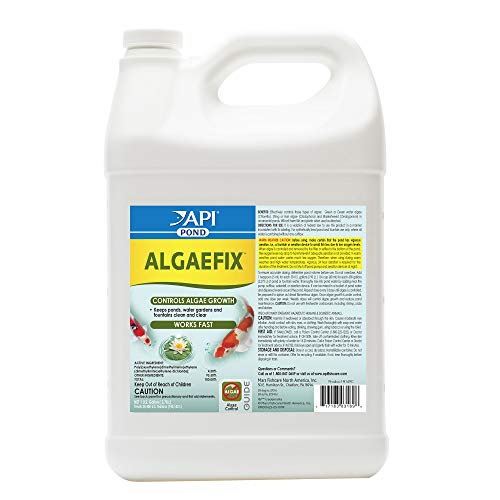
$41.29 on Amazon
Copper-free algaecide that controls string and hair algae across larger ponds; aerate during use.

Aquascape Beneficial Bacteria Concentrate
$31.99 on Amazon
Competes with algae for nutrients and digests the sludge that feeds blanketweed.

Pond Worx Pond Bacteria for Large Ponds (Gallon)
$26.99 on Amazon
High-volume beneficial bacteria for big koi ponds and water features; koi-safe.
What string algae is, and why it is so stubborn
String algae is filamentous algae. Instead of floating as single cells the way green-water algae does, it grows into long, hair-like green threads that anchor to any surface they can grab, rocks, gravel, waterfall faces, plant baskets, pump housings, and netting. The strands knit together into slimy mats that can grow startlingly fast in warm, sunny, nutrient-rich water. The water around them often stays perfectly clear, which is exactly why string algae frustrates so many keepers: the pond looks clean except for the green beards on every rock.
Rock-and-gravel ponds are especially prone because all that rough surface area gives the filaments endless places to attach. The good news is that string algae responds to a patient, multi-pronged plan. The bad news is there is no magic bottle, and one tool in particular does not help at all.
Why UV does not kill string algae
This is the single most important thing to understand. A UV clarifier kills only the algae that physically flows through its chamber, where the ultraviolet light can reach the cells. That describes the free-floating single-celled algae behind green pond water, which is why UV clears green water so reliably. String algae is the opposite: it grows attached to surfaces and never enters the UV unit, so the light never touches it. Buying a UV clarifier to fight blanketweed is a common and expensive mistake. Save the UV for green water and reach for the methods below instead.
The string algae plan that actually works
1. Remove it manually
Physical removal is the fastest way to cut the mass right now. The filaments twist neatly around a stick or a stiff brush, almost like spaghetti on a fork, so plunge in and twist it out. Net the loose strands off the surface, and brush it off rocks and the waterfall. Removing the bulk also removes the nutrients locked inside it, so do this regularly during a bloom rather than once.
2. Starve it of nutrients
String algae feeds on nitrate and phosphate from fish waste, food, and decaying debris. Lower the supply and the regrowth slows:
- Feed less. Overfeeding is the biggest nutrient source. Feed only what koi finish in a couple of minutes, and ease off in cold water.
- Do not overstock. Koi are heavy-waste fish. Crowding the pond floods it with the nutrients algae craves.
- Remove debris and sludge. Net leaves, vacuum the bottom, and clean the skimmer. Rotting organics release nutrients for months.
- Do partial water changes. Weekly changes of 10 to 20 percent export nitrate. Always dechlorinate the new water.
3. Add competition with plants
Plants and string algae fight over the exact same nutrients. A well-planted pond, with floating plants, marginals, and especially a bog or planted filter, simply outcompetes the algae for food. Heavy planting that also shades the surface is one of the most effective long-term controls there is.
4. Dose beneficial bacteria
A strong beneficial bacteria colony competes with algae for nutrients and digests the organic sludge that releases them, lowering the food supply over time. Bacteria will not strip existing mats off your rocks, so this is a background measure that you pair with manual removal, not a standalone cure. For bigger ponds, a high-volume bacteria product covers the water more economically.
5. Use barley straw as a preventative
Barley straw is a slow, gentle inhibitor. As it decomposes it releases compounds that appear to discourage new algae growth, and it works best against string algae when added early in the season, before the bloom takes hold. It takes several weeks to act and will not remove existing strands, so treat it as ongoing maintenance, not an emergency treatment.
6. Knock back heavy growth with a koi-safe algaecide
For a severe infestation, a copper-free, EPA-registered algaecide can knock the mats back quickly while you work on the underlying balance. Two rules are non-negotiable:
- Dose to your real volume. Confirm your gallons with the pond volume calculator and follow the label exactly.
- Aerate hard during and after. Dying algae consumes oxygen as it breaks down, which can suffocate koi in a warm, stocked pond. Keep the waterfall and air pump running.
| Method | What it does | Speed |
|---|---|---|
| Manual removal | Strips out existing mats and locked-in nutrients | Immediate |
| Nutrient control | Cuts the food supply that grows it | Weeks |
| Plants | Outcompetes algae for nutrients and light | Weeks to a season |
| Beneficial bacteria | Competes for nutrients, digests sludge | Weeks |
| Barley straw | Inhibits new growth (preventative) | Slow |
| Koi-safe algaecide | Knocks back heavy growth | Days |
| UV clarifier | Nothing, it cannot reach attached algae | N/A |
Keeping it under control for good
String algae is rarely eliminated entirely, and a little growth in a balanced pond is normal and harmless. The goal is control: enough plants and bacteria competing for nutrients, modest feeding, conservative stocking, clean debris, and occasional manual removal so it never builds into oxygen-robbing, pump-clogging mats. Keepers who win against blanketweed do a little consistently rather than waging one big chemical war.
String algae is a marathon, not a sprint. Pull it out, starve it, plant against it, and let beneficial bacteria and barley do the slow work, but do not waste money on UV, which cannot touch it. For the floating-algae cousin, see how to fix green pond water, and for the full strategy across both types read how to control pond algae.
Pond Build & Maintenance Planner
Build planner, stocking planner, water-test log, and seasonal maintenance schedule, in one printable planner that keeps your pond healthy year-round.
Frequently Asked Questions
What is string algae?
String algae, also called blanketweed or hair algae, is filamentous algae that grows in long green strands clinging to rocks, waterfalls, plant pots, and netting. Unlike green water, it grows attached to surfaces rather than floating, so the water itself can stay perfectly clear while thick mats build up. It thrives in sunny, nutrient-rich water, especially on the rough surfaces of a rock-and-gravel pond.
Why does UV not kill string algae?
A UV clarifier only kills algae that flows through its chamber, which means free-floating single-celled algae that causes green water. String algae grows attached to surfaces and never passes through the UV unit, so the light never reaches it. This is the key difference: UV is the right tool for green water and useless against string algae. Do not buy a UV clarifier expecting it to clear blanketweed.
How do I get rid of string algae?
Start with manual removal: twist it out by hand or with a brush or a stick, and net out the loose strands. Then attack the conditions that grow it by cutting nutrients, adding competing plants, and dosing beneficial bacteria. Barley straw helps prevent regrowth, and a koi-safe algaecide can knock back a heavy infestation. There is no single cure, so combine several methods consistently.
Does beneficial bacteria help against string algae?
Yes, indirectly. Beneficial bacteria compete with algae for the same nitrate and phosphate, and they break down the organic sludge and waste that release those nutrients. By lowering the food supply, a strong bacterial colony slows string algae regrowth. It will not strip existing mats off your rocks, so pair bacteria with manual removal and nutrient control for the best results.
Will barley straw clear string algae?
Barley straw is a slow preventative, not a fast cure. As it breaks down it releases compounds that appear to inhibit new algae growth, and it tends to work best against string algae when added early in the season before growth takes off. It can take several weeks to have any effect and will not remove existing strands. Use it as ongoing maintenance alongside removal and balance.
Is string algae bad for koi?
In small amounts, no. String algae itself does not poison fish, and koi may even nibble it. Heavy mats can become a problem by trapping debris, fouling pumps and skimmers, and consuming oxygen overnight or when they die off and decompose. Keep it under control so it does not clog equipment or crash oxygen, but a little growth in a balanced pond is normal and harmless.
Planning or running a pond?
Use our free calculators and guides to get every number right.
Pond Planner: $39