Foam on Pond Surface: What It Means
Pond foam is dissolved organic protein whipped into bubbles, usually from overfeeding, overstocking, decaying debris, or spring koi spawning. Fix it with a water change, less food, a skimmer, and aeration.
Foamy bubbles piling up at the base of your waterfall or drifting across the surface are a sign that dissolved organic matter, mostly proteins, has built up in the water. Those proteins behave like soap, so when your waterfall, fountain, or air stone agitates the surface, the bubbles cling together instead of bursting. The usual causes are overfeeding, too many fish, rotting debris, or, in spring, male koi releasing milt while spawning. The fast fix is a partial water change plus less feeding, and the long-term fix is keeping the organic load low with a skimmer, good aeration, and sensible stocking.
Skim the Surface and Check the Water

Aquascape Heavy-Duty Pond Net with Extendable Handle
$35.99 on Amazon
Koi-safe net to lift floating leaves and debris before they break down into foam-causing organics.

Sepetrel Pool & Pond Skimmer Net (72 in)
$17.99 on Amazon
Long-reach skimmer net to clear surface scum and debris across larger ponds.

API POND MASTER Test Kit (500-Test)
$34.98 on Amazon
Liquid kit for ammonia, nitrite, pH, and phosphate to see how high your organic load really is.
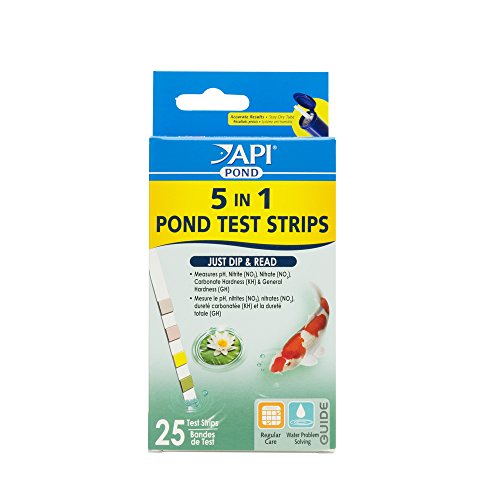
API Pond 5-in-1 Test Strips (25-ct)
$14.98 on Amazon
Quick weekly dip check for pH, KH, GH, nitrite, and nitrate.
What pond foam actually is
Foam needs two ingredients: dissolved organic compounds and surface agitation. The organics, mainly proteins and other carbon-rich byproducts of fish waste and decay, lower the surface tension of the water. That is the same property that lets soap make bubbles. When your waterfall or aerator churns the surface, those weakened bubbles hold their shape and stack up instead of popping. Clean, low-organic water simply will not foam much no matter how vigorous the splash.
So foam is really a messenger. It tells you that dissolved organic matter has reached a level your filtration and water changes are not keeping up with. The agitation just makes the problem visible.
Where the organics come from
- Overfeeding. Uneaten food rots and dumps protein straight into the water. This is the single most common cause.
- Overstocking. Too many koi for your volume means more waste than the system can process. Koi are heavy-waste fish.
- Decaying debris. Fallen leaves, dead plant matter, and bottom sludge slowly release dissolved organics as they break down.
- Spring spawning. Male koi release milt, a protein-rich fluid, during spawning, which can foam heavily for a day or two.
- Weak filtration or low water changes. If your filter is undersized or you rarely change water, organics accumulate with nowhere to go.
How to diagnose the source
A few quick checks usually point you to the cause.
Is it spawning season?
If it is late spring or early summer and you see fish chasing, bumping, and splashing in the shallows, the foam is almost certainly milt from spawning. This foam appears suddenly, smells faintly, and clears within a day or two once the activity stops. It is natural, though a water change afterward is wise to remove the spawning proteins and any egg debris.
Test the water
Run ammonia, nitrite, and nitrate. Elevated readings, especially ammonia, confirm that the pond is carrying more waste than it can handle, which points to overfeeding or overstocking. If your numbers are high, review the pond nitrogen cycle to make sure your biofilter is actually keeping up.
Check feeding and stocking
Be honest about how much you feed and whether any food sinks uneaten. Then check whether your fish count fits your volume. Koi need roughly 1,000 gallons or more per group and produce a lot of waste, so an overstocked pond foams easily. Confirm your numbers with the pond volume calculator and the koi stocking calculator.
How to fix pond foam
Treat the cause, not just the bubbles. Here is the order that works.
- Partial water change. Swap out 20 to 30 percent with dechlorinated water to immediately dilute the dissolved proteins. This is the fastest way to knock foam back.
- Stop or cut feeding. Pause feeding for a few days. Less food means less protein entering the water, and koi are fine going without for a short stretch.
- Skim and remove debris. Net off floating leaves and scum, and clear rotting matter and sludge from the bottom so it stops releasing organics.
- Add a surface skimmer. A skimmer pulls oils, proteins, and debris off the top before they dissolve, which prevents foam from forming in the first place.
- Boost aeration. Good oxygen helps beneficial bacteria break down organics faster. Use the pond aeration calculator to size an air pump to your pond.
One thing to avoid: pouring in a defoamer product as your only response. Defoamers collapse the bubbles for a while but do nothing about the dissolved organics underneath, so the foam returns. They mask the symptom and let the real problem grow.
How to prevent foam coming back
Keep the organic load low and foam becomes a rare event:
- Feed only what your koi finish in a few minutes, and reduce feeding in cool water.
- Stock conservatively for your true volume so waste stays manageable.
- Run a skimmer and net out leaves before they sink and rot.
- Do routine partial water changes to export dissolved organics and nitrate.
- Maintain strong aeration and a biofilter sized to your pond.
- After spring spawning, do a larger water change to clear milt and egg debris.
In short, a little short-lived foam is rarely an emergency, but lasting, thick foam is your pond asking for help. Change some water, ease off the food, skim the surface, and improve aeration, and the bubbles fade as the underlying organics come down. If foam comes with cloudy or green water, our guides on cloudy pond water and green pond water tackle those next. Keeping fish indoors instead? Our sister site FishTankCalculator.com covers protein foam in aquariums.
Pond Build & Maintenance Planner
Build planner, stocking planner, water-test log, and seasonal maintenance schedule, in one printable planner that keeps your pond healthy year-round.
Frequently Asked Questions
Why is there foam on my pond surface?
Pond foam forms when dissolved organic compounds, mostly proteins, build up in the water and get whipped into bubbles by your waterfall, fountain, or air stone. Those proteins act like soap, letting bubbles hold together instead of popping. The usual sources are overfeeding, too many fish, decaying debris, or male koi releasing milt during spring spawning. Persistent foam is a sign that organic waste is outpacing your filtration and water changes.
Is pond foam dangerous to koi?
A light, short-lived foam is usually harmless, but it is a warning that dissolved organics are high. The same waste load that creates foam also feeds ammonia, drops oxygen, and fuels algae, all of which stress koi. Thick, lasting, off-white foam that smells should be taken seriously. Treat it as a signal to test the water, cut feeding, and do a water change rather than ignoring it.
Does foam mean my pond water is bad?
Not always, but it usually means organic waste is accumulating faster than your system can process it. Test ammonia, nitrite, and nitrate to see how stressed the pond is. Foam alongside high ammonia or cloudy water points to overfeeding or overstocking. Foam in spring with clean test results is often just koi spawning and clears on its own within a day or two once the activity ends.
How do I get rid of pond foam fast?
Do a 20 to 30 percent water change with dechlorinated water to dilute the dissolved proteins, then stop feeding for a few days. Skim floating debris off the surface and clean out any rotting leaves or sludge. Improving aeration and adding a surface skimmer helps export organics over time. Avoid pouring in defoamer products as a fix, since they only mask the symptom and do nothing about the cause.
Why does my pond foam only in spring?
Spring foam is very often koi spawning. Males chase females and release milt, a protein-rich fluid, into the water, which foams heavily for a day or two. You may also see fish chasing and bumping in shallow water. This kind of foam is natural and clears once spawning ends. A large water change afterward helps remove the spawning proteins and the egg debris that can foul the water.
Will a skimmer stop pond foam?
A surface skimmer helps a lot because it pulls floating debris, oils, and proteins off the top before they break down and dissolve into the water. It will not fix overfeeding or overstocking on its own, but combined with sensible feeding, regular water changes, and good aeration, a skimmer keeps the organic load low enough that foam rarely forms. Think of it as prevention rather than an instant cure.
Planning or running a pond?
Use our free calculators and guides to get every number right.
Pond Planner: $39