The Pond Nitrogen Cycle Explained
How beneficial bacteria turn toxic ammonia into nitrite and then nitrate, why you must cycle a pond before adding koi, and how to keep the cycle running all year.
The pond nitrogen cycle is the invisible engine that keeps koi alive. Beneficial bacteria in your biofilter convert toxic ammonia from fish waste into nitrite, then into far safer nitrate. Until both groups of bacteria are established, ammonia builds up and poisons fish, which is exactly why you never add koi to an uncycled pond. Get the cycle running first, confirm it with a test kit, and the rest of pond keeping gets dramatically easier.
Test Kit and Bacteria to Build Your Cycle

API POND MASTER Test Kit (500-Test)
$34.98 on Amazon
Liquid kit reads ammonia, nitrite, pH, and phosphate, the core numbers for tracking a cycle.

Aquascape Beneficial Bacteria Concentrate
$31.99 on Amazon
Eight strains plus enzymes to seed your biofilter and speed up a new cycle.
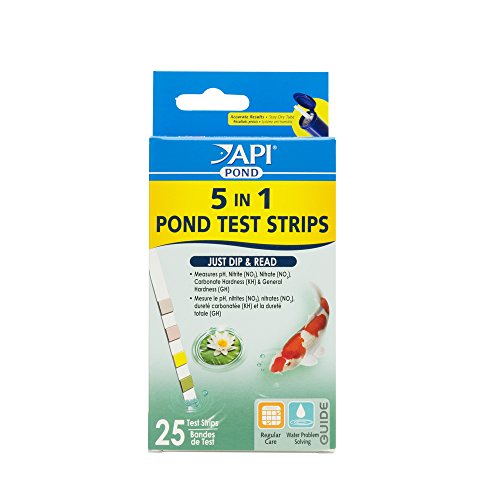
API Pond 5-in-1 Test Strips (25-ct)
$14.98 on Amazon
Quick weekly dip strips for pH, nitrite, nitrate, KH, and GH.

Aquascape Beneficial Bacteria (Liquid, 8.45 oz)
$15.98 on Amazon
Pourable bacteria for smaller ponds and routine seasonal dosing.
What the nitrogen cycle is, step by step
Every koi pond is a closed loop of nutrients. Fish eat, fish produce waste, and that waste has to go somewhere. Left alone it would poison the water within days. The nitrogen cycle is the chain of biological reactions that defuses that waste, carried out by colonies of bacteria that you cannot see but absolutely depend on.
1. Ammonia is the starting point
Koi excrete ammonia directly through their gills, and more ammonia leaches from uneaten food, fish waste, and decaying plant matter on the pond floor. Ammonia is highly toxic. It damages gill tissue, strips the protective slime coat, and suppresses the immune system. Its toxicity climbs as the water warms and as pH rises above 7, so a reading that is borderline in cool, neutral water can be lethal in a warm, alkaline pond.
2. Nitrosomonas bacteria convert ammonia to nitrite
The first group of beneficial bacteria, broadly the Nitrosomonas group, feeds on ammonia and oxidizes it into nitrite. This is great progress, but nitrite is still dangerous. It enters the bloodstream and interferes with the ability of koi blood to carry oxygen, a condition sometimes called brown blood disease. Fish suffering nitrite poisoning often hang near the waterfall or air stone gasping, because their blood simply cannot move oxygen efficiently.
3. Nitrobacter bacteria convert nitrite to nitrate
The second group, broadly the Nitrobacter and Nitrospira groups, feeds on nitrite and oxidizes it into nitrate. Nitrate is the safe end product. Koi tolerate moderate nitrate without harm. The catch is that nitrate is a fertilizer, so when it accumulates it feeds algae and clouds your water. You remove nitrate through partial water changes and by growing pond plants that absorb it as food.
| Compound | Source | Toxicity to koi | Target reading |
|---|---|---|---|
| Ammonia (NH3 / NH4) | Fish gills, waste, food | High | 0 ppm |
| Nitrite (NO2) | Nitrosomonas bacteria | High | 0 ppm |
| Nitrate (NO3) | Nitrobacter bacteria | Low | Below 40 ppm |
Why both bacteria groups need a biofilter
Here is the part beginners miss: the beneficial bacteria do not float freely in the water in any meaningful numbers. They are surface dwellers. They cling to filter media, matting, bio-balls, pipe walls, rocks, and the liner itself. To grow a colony big enough to process a koi pond's heavy waste load, you need a biofilter packed with high surface area and a steady flow of oxygenated water passing over it.
This is why pond sizing and pump sizing matter so much. Koi are heavy-waste fish, and a healthy rule is to turn the entire pond volume over through your filter at least once per hour, which means your pump should move at least as many gallons per hour as the pond holds. Undersize the filter or the flow and the bacteria simply cannot keep up with the ammonia your fish produce. Start by getting your true volume with the pond volume calculator, then match your pump and filter to that number.
Bacteria need oxygen and warmth
The nitrifying bacteria are aerobic, meaning they consume oxygen as they work. A pond with strong aeration and good circulation cycles faster and holds a larger colony than a still, poorly oxygenated one. Temperature matters too. The bacteria become sluggish below about 50 degrees Fahrenheit and effectively dormant near freezing, which is why filters lose capacity in winter and why you feed koi very lightly, or not at all, in the cold.
How to cycle before adding koi
Never add fish to an uncycled pond. With no established bacteria, ammonia spikes immediately and the fish pay the price, the classic mistake behind new pond syndrome. Instead, establish the cycle first. The two reliable approaches are fishless cycling, where you add an ammonia source yourself and let the bacteria build with no fish at risk, and a careful, lightly stocked fish-in cycle managed with frequent testing and water changes. We walk through both in detail in how to cycle a new pond.
You can give the colony a strong head start with bottled beneficial bacteria, which seeds your filter with live nitrifiers instead of waiting for them to arrive on their own. Seeding media or sponge from an established, healthy pond works even better. Either way, the cycle is not finished until your test kit confirms it.
Reading the cycle on a test kit
Testing is how you watch the cycle happen. In a typical fishless cycle you will see ammonia rise first, then fall as nitrite climbs, then nitrite fall as nitrate appears. The pond is cycled when you can add an ammonia source and, within 24 hours, both ammonia and nitrite read zero while nitrate is present. A liquid test kit is more precise for ammonia and nitrite, while strips are convenient for fast weekly checks. Test every day or two during cycling, then settle into a weekly routine once the pond is stable.
Keeping the cycle healthy long term
A mature cycle is resilient, but you can damage it. Watch out for these common mistakes:
- Chlorinated tap water. Chlorine and chloramine kill beneficial bacteria. Always treat top-off and water-change water with a dechlorinator, and never rinse filter media under the tap.
- Over-cleaning the filter. Scrubbing media spotless or replacing it all at once strips out your colony. Rinse media gently in pond water, and only a portion at a time.
- Overfeeding and overstocking. More food and more fish mean more ammonia. If your bioload outruns your filter, ammonia returns. Stock conservatively and feed only what koi finish in a few minutes.
- Letting the filter sit idle. The bacteria suffocate within hours without oxygenated flow. If you must stop the pump, keep it brief.
- Medications and salt. Some treatments stall nitrifying bacteria. Test more often during and after any treatment, and dose to your real pond volume.
Each spring, the colony rebuilds from its winter low. Feed lightly, dose bottled bacteria if you like, and test for a couple of weeks until ammonia and nitrite hold steady at zero. Keeping fish indoors instead? The same nitrogen cycle drives aquariums, and our sister site FishTankCalculator.com covers it for tanks.
Once you understand the nitrogen cycle, almost every water problem makes sense. Cloudy new ponds, algae blooms, fish gasping at the surface, and stalled growth usually trace back to a cycle that is incomplete, overwhelmed, or freshly disrupted. Build it first, protect the bacteria, test regularly, and your koi reward you with clear water and steady health. From here, dig into beneficial bacteria in ponds, learn to dodge new pond syndrome, and see how nitrate feeds pond algae.
Pond Build & Maintenance Planner
Build planner, stocking planner, water-test log, and seasonal maintenance schedule, in one printable planner that keeps your pond healthy year-round.
Frequently Asked Questions
What is the nitrogen cycle in a koi pond?
The nitrogen cycle is the natural process where beneficial bacteria convert fish waste into less harmful compounds. Ammonia from koi waste and uneaten food is turned into nitrite, then into nitrate. Two groups of bacteria living in your biofilter do the work. Once both groups are established, ammonia and nitrite read zero and the pond is considered cycled and safe for fish.
How long does it take a pond to cycle?
A new pond usually takes 4 to 6 weeks to fully cycle in warm weather. Cooler water slows the bacteria down, so spring and fall ponds can take 8 weeks or more. Adding bottled beneficial bacteria and seeding media from an established filter can shorten the wait, but you still confirm the cycle is finished by testing, not by the calendar.
Why is ammonia so dangerous to koi?
Ammonia burns gills, damages the slime coat, and stresses the immune system even at low levels. Toxicity rises sharply as pH and temperature climb, so the same reading is more harmful in warm, alkaline water. Koi exposed to ammonia often gasp at the surface, clamp their fins, and stop eating. Keeping ammonia at zero through a working nitrogen cycle prevents this entirely.
Where do the beneficial bacteria actually live?
The vast majority live on surfaces inside your biofilter, not floating in the water. They coat filter media, bio-balls, matting, and the walls of pipes and the pond itself. Because they need oxygen and a place to cling, a biofilter with lots of surface area and steady flow grows far more bacteria than open water alone. Never let your filter sit unrun for long, or the colony starves.
Is nitrate harmful to koi?
Nitrate is far less toxic than ammonia or nitrite, and koi tolerate moderate levels without harm. The problem is that nitrate is a fertilizer that feeds algae, so high readings often mean green water and string algae. Pond plants absorb nitrate, and routine partial water changes export it. Most keepers aim to keep nitrate low simply to starve algae and keep water clear.
Do I need to cycle the pond every year?
No. Once established, the bacteria colony lives on year after year as long as the filter keeps running and fish keep feeding it. The colony does shrink in winter when cold slows everything down, and it can crash if the filter is cleaned too aggressively or with chlorinated water. Each spring, feed lightly and test for a week or two while the colony rebuilds to full strength.
Planning or running a pond?
Use our free calculators and guides to get every number right.
Pond Planner: $39