How to Choose a Pond Filter
A practical guide to choosing a pond filter: pressure vs gravity box vs bog filters, how to size a filter to your gallons and koi load, and why you need both mechanical and biological filtration stages.
The right filter is the difference between a clear, healthy koi pond and a cloudy, high-maintenance one. Choosing it comes down to three decisions: the filter type that fits your pond (pressure, gravity box, or bog), the size matched to your real gallons and koi load, and making sure it handles both mechanical and biological filtration. Get those right and the filter quietly does its job for years. Below is how each type works, how to size correctly, and the gear that gets you there.
Filter Picks for Koi Ponds

VIVOHOME Pressurized Biological Pond Filter 1840 GPH
$149.99 on Amazon
Pressure filter with built-in UV rated for koi ponds up to 1,000 gallons.

Aquascape UltraKlean 2000 Pressure Filter + UV
$367.99 on Amazon
Higher-capacity pressurized filter with a 14W UV clarifier for larger ponds.
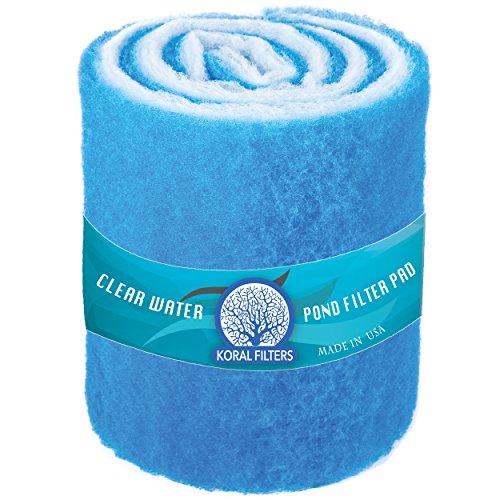
Koral Filters Koi Pond Filter Media Roll (Cut to Fit)
$33.91 on Amazon
Mechanical filter pad you cut to size to trap solids before the biological stage.

Aquatic Experts Large Bio Balls (100 Count + Bag)
$24.99 on Amazon
High-surface-area biological media that houses the bacteria your filter needs.
What a pond filter actually does
Every good filter performs two distinct jobs. Mechanical filtration physically traps solid waste, fish poop, uneaten food, and debris, on pads, sponges, or brushes you can rinse out. Biological filtration grows colonies of beneficial bacteria on high-surface-area media that convert toxic ammonia into nitrite and then into far safer nitrate. The biology is what keeps koi alive; the mechanics keep the water clear and protect the biology from clogging. To understand the chemistry the biological stage handles, read the pond nitrogen cycle and how to keep its colony strong in beneficial bacteria in ponds.
The three filter types compared
| Type | Best for | Pros | Cons |
|---|---|---|---|
| Pressure filter | Small to mid-size ponds | Compact, can hide below water, pumps uphill to a waterfall, often has built-in UV | Smaller capacity, needs regular back-flushing |
| Gravity box filter | Large koi ponds | High flow, easy to clean, handles heavy koi waste | Bulky, must sit at or above water level |
| Bog filter | Natural and water-garden styles | Powerful biological filtration, starves algae, very low upkeep | Needs lots of space, slower to establish |
Pressure filters
A pressure filter is a sealed canister the pump pushes water through under pressure, which means it can sit below the waterline and send cleaned water uphill to a waterfall. That makes it easy to tuck out of sight. Many models include a UV bulb to tackle green water in the same unit. The trade-off is capacity: pressure filters suit smaller and mid-size ponds, and they need periodic back-flushing to clear trapped solids.
Gravity-fed box filters
On larger koi ponds, gravity-fed box filters rule. Water flows in, passes through mechanical and biological chambers with little restriction, then returns to the pond. The low resistance lets them move a lot of water and handle the heavy waste of a full koi load. They are easier to clean because you can open them up, but they are bulky and must sit at or above water level, so they are harder to hide.
Bog filters
A bog filter is the most natural option: a gravel bed planted with marginals that water seeps through slowly. The gravel hosts enormous bacteria colonies while the plants pull nutrients straight out of the water, which both filters and starves algae. Bogs need real space, often 10 to 30 percent of the pond surface, and take a season to fully establish, but once running they deliver clear water with very little maintenance. Pair one with the planting ideas in our pond plants guide.
Sizing a filter to your pond
Sizing is where most filter regret happens. Two numbers matter: your true water volume and your koi load.
- Know your real gallons. Run the pond volume calculator first. Every filter rating is meaningless without it.
- Use the koi rating, not the ornamental rating. Most pressure filters list a high number for ornamental ponds and a much lower one for koi. Koi are heavy-waste fish, so always size to the koi figure.
- Match the pump to turnover. The filter only works if the whole pond passes through it at least once per hour. Size the pump with the pond pump calculator so GPH meets or exceeds your gallons.
- Oversize when in doubt. Koi grow, and a fish you stock at six inches can double in size. A filter rated one step above your current volume gives you headroom instead of a midsummer scramble.
Don't forget the UV question
A filter clears solids and processes ammonia, but it cannot fix green water, which comes from microscopic free-floating algae. The fix is a UV clarifier that clumps those algae so your mechanical media can trap them. Many pressure filters bundle a UV bulb, which is the tidiest solution. If you buy UV separately, size it with the UV clarifier calculator, aiming for roughly 10 watts per 1,000 gallons. Read more on the green-water fix in our green pond water guide.
Putting it together
Pick the type that fits your pond's size and style, size it to your real gallons using the koi rating, make sure it covers both mechanical and biological stages, and back it with a pump that turns the pond over hourly and UV if you battle green water. When you are ready to compare specific models, see our roundup of the best pond filters and the dedicated best pressure filters. A filter chosen this way disappears into the background, which is exactly what a good one should do.
Pond Build & Maintenance Planner
Build planner, stocking planner, water-test log, and seasonal maintenance schedule, in one printable planner that keeps your pond healthy year-round.
Frequently Asked Questions
What size filter do I need for my pond?
Size to your true gallons and your fish load, not to the box rating. Most pressure filters list two numbers: a higher figure for ornamental ponds and a much lower one for koi ponds. Always use the koi rating, since koi are heavy-waste fish. If anything, oversize: a filter rated a step above your volume gives headroom as koi grow and waste increases. Undersizing is the most common filter mistake.
Is a pressure filter or a gravity filter better?
It depends on your pond. Pressure filters are compact, can sit below water level, and pump cleaned water uphill to a waterfall, which suits smaller and mid-size ponds. Gravity-fed box filters move more water with less restriction and are easier to clean, favored on larger koi ponds. Pressure wins on convenience and hiding; gravity wins on capacity and koi-keeping at scale.
What is a bog filter?
A bog filter is a gravel bed planted with marginals that water passes through slowly. The gravel hosts huge bacteria colonies and the plants pull nutrients straight out of the water, making it a powerful biological filter and a natural algae fighter. Bogs need space, roughly 10 to 30 percent of the pond surface, but reward you with clear water and very low maintenance once established.
Do I need both mechanical and biological filtration?
Yes. Mechanical filtration traps solid waste like fish poop and debris so it can be rinsed out, while biological filtration grows the bacteria that convert toxic ammonia and nitrite into safer nitrate. A complete filter does both, with water passing through mechanical media first to protect the biological stage from clogging. Skipping either one leaves you with cloudy water or dangerous ammonia.
How often should I clean a pond filter?
Rinse mechanical media every 1 to 2 weeks in the growing season, or whenever flow drops. Always rinse in pond water, never tap water, so you preserve the bacteria. Leave biological media mostly alone; a hard scrub destroys the colony and can trigger an ammonia spike. One thorough clean in spring plus light weekly rinses keeps a filter healthy without resetting your cycle.
Does a pond filter remove green water?
Not by itself. Green water comes from single-celled algae too small for filter media to catch. A UV clarifier paired with your filter clumps those algae so the mechanical stage can trap them, which is the reliable fix. The filter handles solids and ammonia; the UV handles the green tint. Many pressure filters include a built-in UV bulb to cover both jobs in one unit.
Planning or running a pond?
Use our free calculators and guides to get every number right.
Pond Planner: $39